The exterior of a home often serves as the first impression for guests, potential buyers, and neighbors. A well-designed landscape does more than beautify — it enhances property value, complements architectural design, and creates inviting outdoor environments. Landscaping boosting aesthetic appeal is a key component of homeownership that merges creativity with functionality, making a property truly stand out and adding long-term value within the
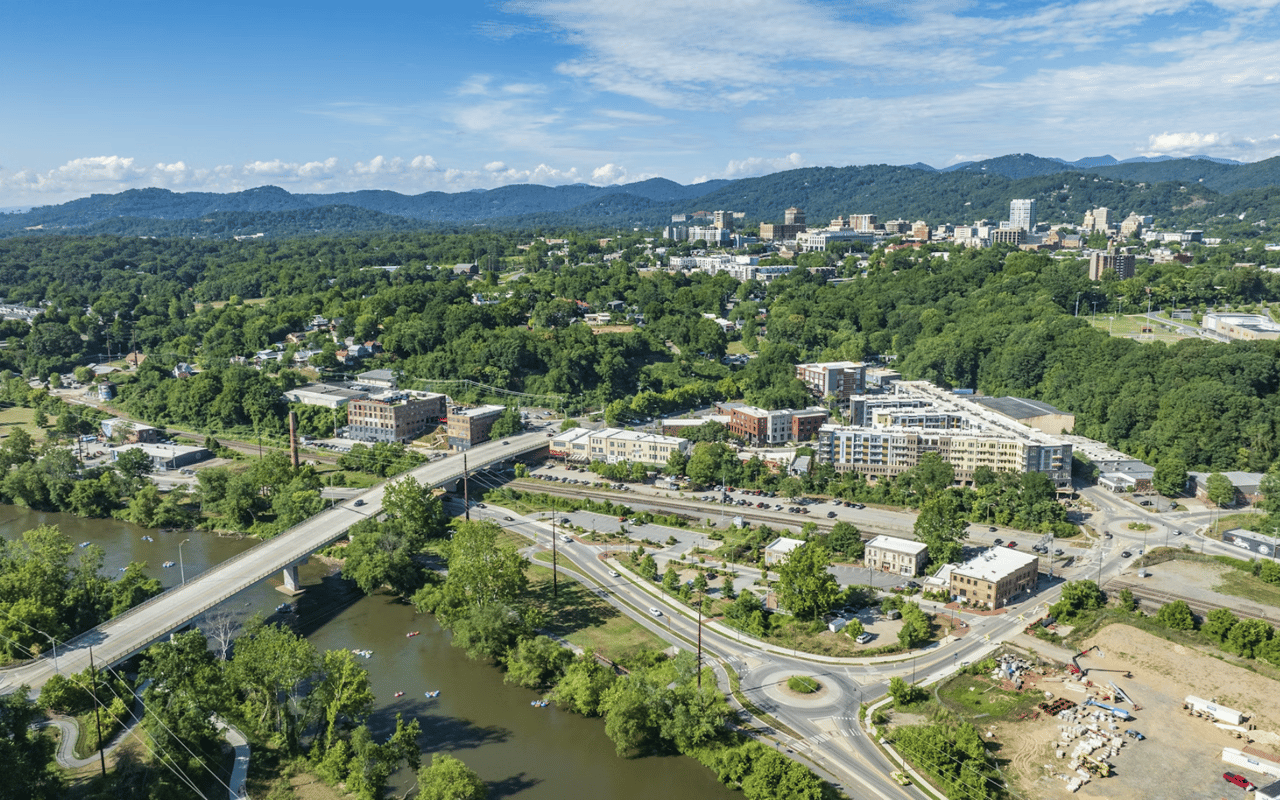
Asheville real estate market.
Balancing Functionality and Beauty
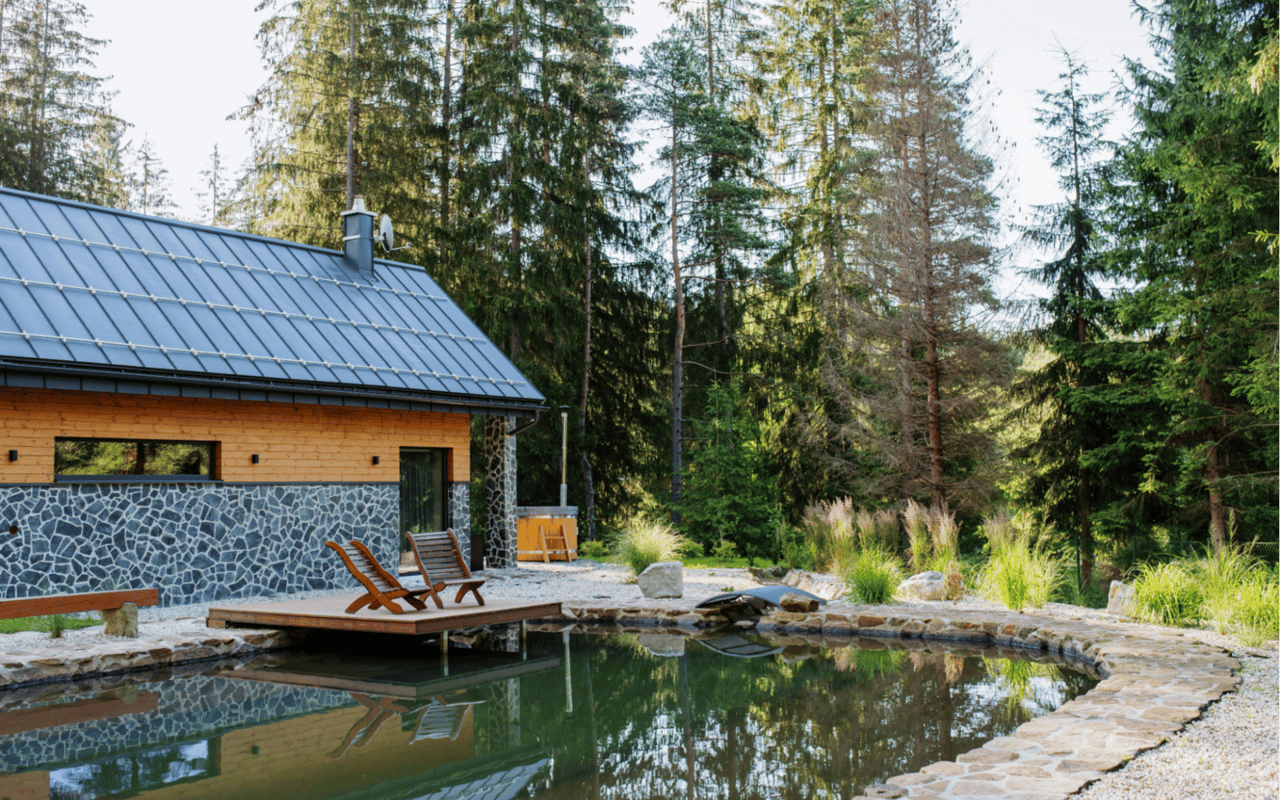
Effective landscaping is about more than visual impact — it’s also about creating functional outdoor spaces that align with a homeowner’s lifestyle. A well-planned landscape considers both aesthetics and usability. For example, adding stone pathways, patios, or outdoor seating areas invites relaxation and entertaining. Shade trees not only add depth and height to a yard but also provide comfort during warm months.
A strong landscape design blends practicality and elegance. Native plants require less maintenance and water, while hardscaping elements like retaining walls or stone borders define areas with structure and style. Together, these components create a cohesive, purposeful design that enhances daily living.
Enhancing Architectural Harmony
Every home has unique architectural features, and landscaping can be used to highlight and complement those characteristics. A contemporary residence, for instance, might benefit from minimalist landscaping with clean lines and geometric plant arrangements. In contrast, a classic or cottage-style home pairs beautifully with lush gardens, curved walkways, and vibrant blooms.
Strategic plant placement draws attention to key architectural elements such as entryways, windows, or porches. The goal is to create visual balance between the home and its surroundings, ensuring that the exterior feels integrated rather than separate. Landscaping boosting aesthetic appeal thrives when architecture and nature work in harmony.
The Role of Color and Texture
Color and texture are vital design tools in landscaping. The right palette can evoke emotion, add contrast, and bring visual interest to outdoor spaces. Cool greens, silvers, and blues create a calming effect, while bright yellows, reds, and purples bring energy and warmth.
Texture also plays an essential role. Mixing plants with varying leaf shapes, sizes, and finishes — such as smooth succulents alongside feathery grasses — creates depth and complexity. Even non-living elements, like gravel, wood, or stone, contribute to texture variety, grounding the natural elements with structural definition.
A successful landscape design uses these elements intentionally to build rhythm and harmony throughout the property.
Lighting as an Extension of Design
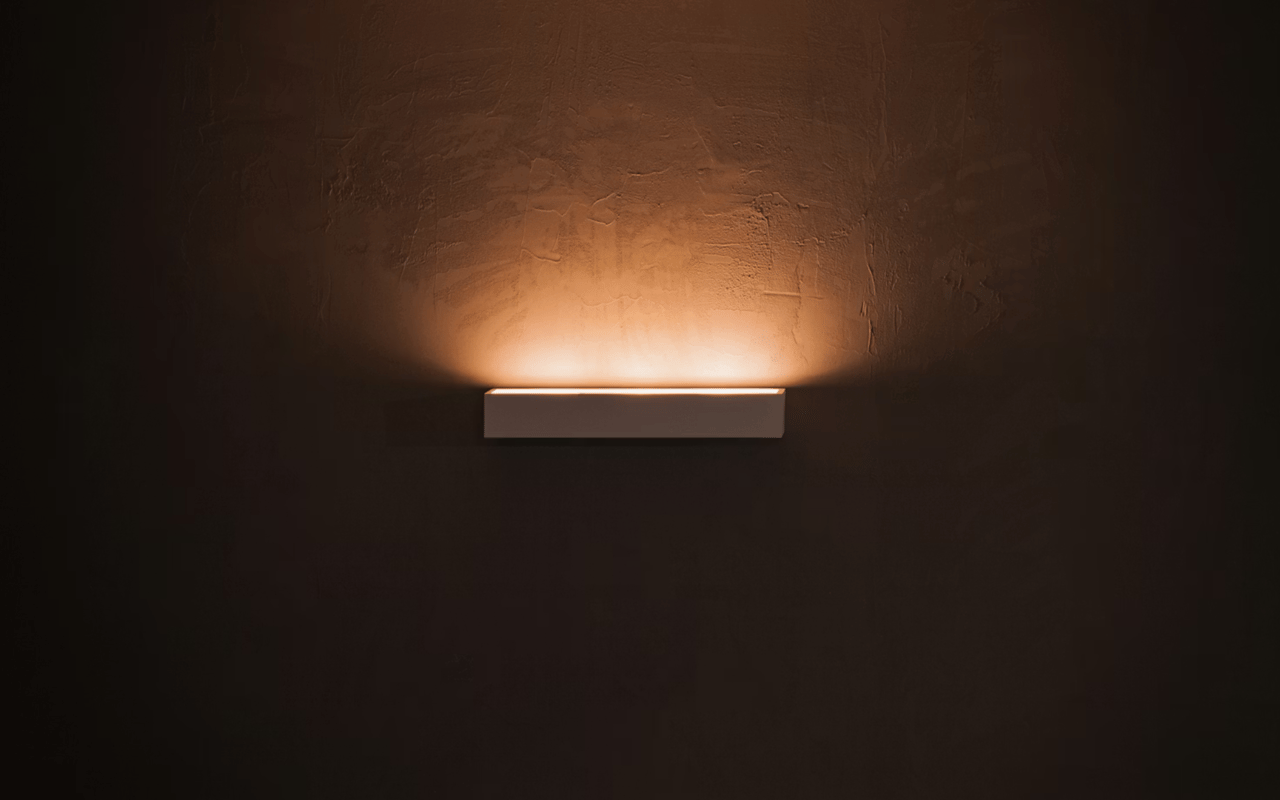
Outdoor lighting extends the usability and beauty of landscaping well into the evening. Thoughtful illumination highlights pathways, accentuates focal points, and adds an element of safety. Whether achieved through subtle ground lights, string lighting over patios, or spotlights aimed at architectural details, lighting transforms the atmosphere of a home after sunset.
Beyond aesthetics, lighting also improves security and functionality. It enables safe navigation and discourages unwanted activity around the property. By considering lighting as part of the overall landscape plan, homeowners can elevate both the look and practicality of their outdoor spaces.
Environmental and Economic Benefits
In addition to visual appeal, professional landscaping offers real environmental advantages. Trees and shrubs improve air quality, reduce soil erosion, and provide habitats for wildlife. Strategically placed trees can also lower energy costs by providing natural shade in summer and windbreaks in winter.
Sustainable landscaping practices — such as xeriscaping, rain gardens, or using drought-tolerant plants — promote conservation without sacrificing beauty. They demonstrate environmental stewardship while maintaining the property’s elegance. Landscaping boosting aesthetic appeal often goes hand in hand with boosting sustainability and long-term value.
Seasonal Considerations
A beautiful landscape evolves with the seasons. Planning for year-round interest ensures that a property remains appealing no matter the time of year. In spring, flowering bulbs and early blooms bring color and vitality. Summer showcases lush greenery and vibrant flowers. Fall adds warmth with changing foliage and ornamental grasses, while winter highlights evergreens and structural elements like garden sculptures or stone walls.
Layering plants with varying blooming schedules maintains continuous visual interest and reduces the risk of a dull or barren yard. Thoughtful design allows each season to bring its own personality and charm to the property.
Maximizing Outdoor Living Spaces
Modern homeowners increasingly view outdoor areas as extensions of their living space. Patios, fire pits, kitchens, and pergolas blur the lines between indoor comfort and outdoor enjoyment. A well-designed landscape provides privacy, ambiance, and functionality that encourage spending more time outside.
Even small yards can be transformed into inviting retreats through smart design. Vertical gardens, container plants, and multi-purpose furniture can turn compact areas into cozy, stylish oases. These enhancements not only improve quality of life but also contribute to a stronger emotional connection between homeowner and home.
Landscaping and Property Value
Beyond beauty, landscaping has measurable financial benefits. Studies consistently show that well-maintained and strategically designed landscapes can
increase property value by up to 15 percent. Buyers are drawn to homes that reflect pride of ownership and offer ready-to-enjoy outdoor spaces.
Curb appeal influences perception before a potential buyer even enters the home. A vibrant lawn, trimmed shrubs, and defined garden beds signal that a property has been cared for — instilling confidence and reducing hesitation during the decision-making process. Landscaping boosting aesthetic appeal, therefore, becomes a critical component in
real estate marketing and valuation.
Working with Professionals
While many homeowners enjoy gardening, professional landscapers bring expertise that can elevate a project’s outcome. From soil testing and plant selection to irrigation systems and structural design, professionals understand how to create sustainable, visually pleasing spaces that thrive long-term.
Collaborating with experts ensures that every detail — sun exposure, drainage, color balance, and maintenance requirements — is considered. The result is a cohesive design that enhances both the home’s beauty and functionality for years to come.
Ready to Learn More?
Landscaping is more than decoration; it’s an investment in a home’s appeal, value, and livability. The right combination of design, maintenance, and creativity can transform any property into a captivating sanctuary. By focusing on landscaping boosting aesthetic appeal, homeowners enhance their living experience and create lasting impressions for everyone who visits.
For personalized guidance in preparing your property for the market — or in finding a home with exceptional outdoor appeal — reach out today to
Mark Fields Real Estate for expert assistance and insight.